Immediate Dispatch: Verified Isuzu Components
High-turnover OEM parts in stock at Guangzhou Hub. Complete cross-referencing available by engine code and chassis number.
The Global Commercial Landscape for Isuzu Powertrains & Vehicle Systems
From intermodal transport networks across Southeast Asia to remote heavy extraction zones in South America and Australasia, Isuzu powertrain platforms form the absolute baseline of modern mechanical uptime.
Highway Freight Logistics
N-Series (ELF) and F-Series (Forward) light-to-medium trucks are critical for urban delivery. Fleet operators depend on rapid access to injection lines, slave cylinders, and filtration assemblies to prevent unscheduled terminal delays.
Heavy Machinery Interoperability
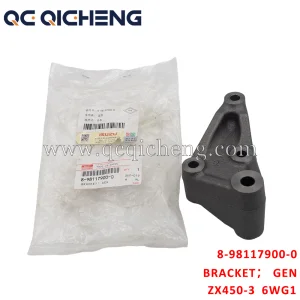
Hitachi ZX, Sumitomo, and CASE excavators rely on Isuzu 4HK1, 6HK1, and 6WG1 engines. Cross-sector compatibility between commercial trucks and heavy excavation means procurement teams require consolidated, dual-coded parts catalogues.
Emissions & Extreme Duty
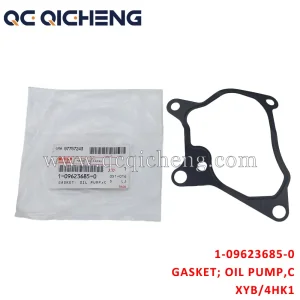
Whether operating in extreme tropical humidity or arid high-altitude mining sites, Isuzu common rail platforms demand strict compliance in injector clearances, gaskets, and pump seals to maintain Euro IV through Stage V emissions standards.
Chinese Supply Chain Precision & Factory Efficiency
Why leading global wholesalers, national fleet managers, and mining consortia centralize their Isuzu parts procurement via Qicheng's Guangzhou supply ecosystem.
Advanced Metallurgical Standards
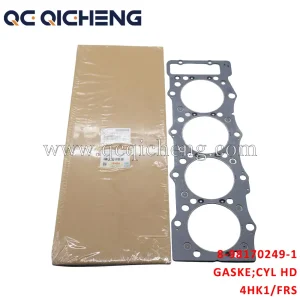
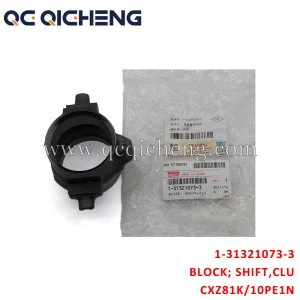
Our collaborative manufacturing centers employ high-pressure die casting, precision CNC machining, and automated induction hardening. Piston liners, cylinder heads, and high-stress shift blocks maintain exact dimensional tolerances matching original Tokyo engineering specifications.
ERP Inventory Synchronization
With over 100,000 SKUs held across 10 specialized regional branches, our central warehouse eliminates lead times on critical wear components. Orders are verified against factory BOM blueprints prior to palletizing.
Cost-to-Uptime Ratio Optimization
By bypassing cascading distribution markups and securing direct tier-one factory allocations in China, procurement teams realize 30% to 55% savings on bulk line items without compromising hydraulic or thermal operating lifespan.
Global Procurement Demands & Predictive Maintenance Trends
The industrial parts aftermarket is moving rapidly away from reactive replacement toward programmatic lifecycle servicing.
Scheduled Overhaul Bundling
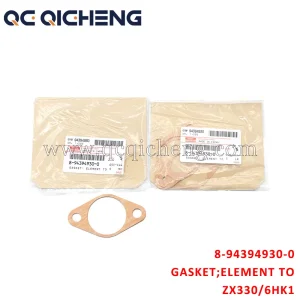
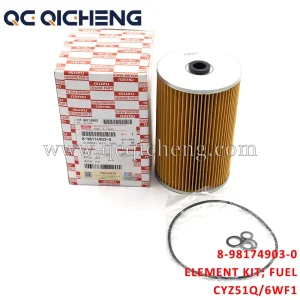
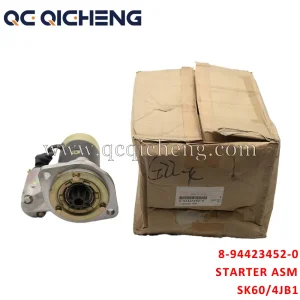
International buyers are moving away from piecemeal ordering. Standard procurement now focuses on complete overhaul kits (cylinder head gaskets, liner kits, valve guides, starter assemblies, and fuel filters) synchronized to 10,000-hour engine service intervals.
Sensory Telematics & Electronic Relays
Modern common-rail platforms rely entirely on real-time manifold absolute pressure (MAP) sensors, high-pressure rail sensors, and starter relays. Precision electronic integrity prevents catastrophic hydraulic and engine ECU fail-safes.
Port & Customs Onboarding Preparedness
Global supply disruptions necessitate clear traceability. Every export crate leaving our Guangzhou facility includes detailed OEM parts mapping, dual-language HS code documentation, and material compliance certificates for seamless port clearance.
Procurement & Engineering FAQ
Technical guidance and commercial terms answered directly by our Guangzhou export engineering team.
How do we ensure 100% fitment accuracy for multi-region Isuzu chassis?
We mandate cross-validation utilizing the machine VIN, engine serial number (e.g., 4HK1-XYB), and original OEM casting or stamping numbers. Because regional emissions variants differ between Southeast Asia, Europe, and Latin America, our technicians cross-reference global EPC schematics before issuing quotes.
What quality assurance steps are taken for hydraulic and fuel injection parts?
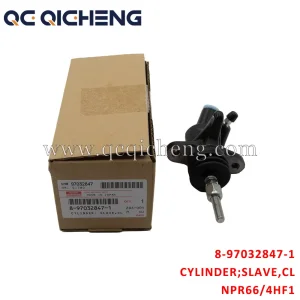
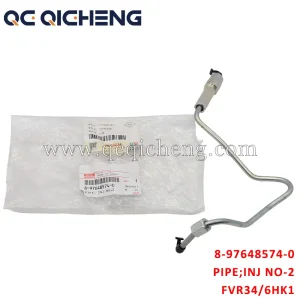
All fuel injection pipes, common rail elements, and slave cylinders undergo hydrostatic pressure testing and dimensional ultrasonic inspections. High-pressure diesel pipes are verified for burst thresholds exceeding 200 MPa to prevent micro-fissuring in continuous-cycle operation.
What are your standard export packaging standards for sea and air freight?
Precision machined parts such as cylinder liners, gears, and pump components are treated with VCI anti-corrosion barrier coatings, vacuum-sealed in heavy-gauge polymer film, and crated in fumigated multi-layer timber cases with impact-resistant internal cushioning.
Can Qicheng accommodate mixed container consignments across brands?
Yes. Many fleet contractors run mixed equipment lines. We frequently consolidate genuine and premium OEM Isuzu engine components alongside Hitachi construction machinery, Sumitomo undercarriage parts, and Cummins service elements into a unified export manifest.
Featured Catalog: Engine & Transmission Units
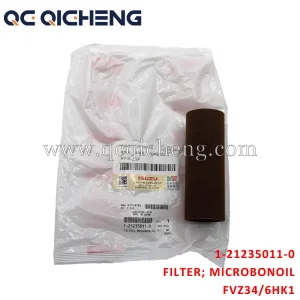
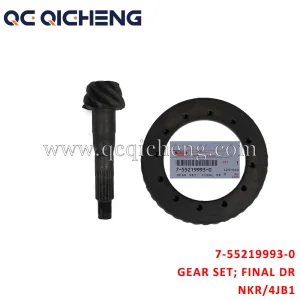
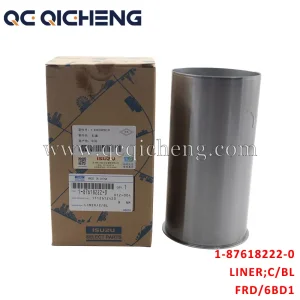
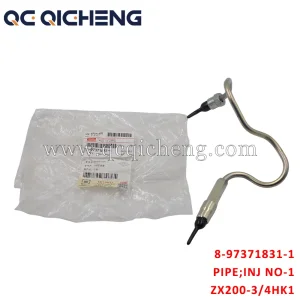
Immediate volume allocation available on high-wear drivetrain, sealing, and filtration lines.