
Precision Verified Powertrain & Hydraulic Components
Immediate dispatch from our $15M standing stock. Fully serialized OEM parts rigorously audited for Isuzu Giga, NKR 71, and Hitachi industrial excavator applications.
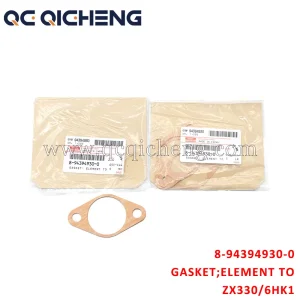
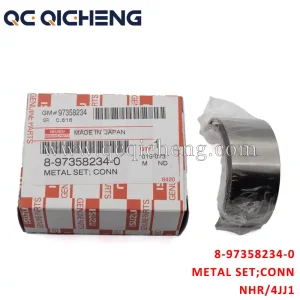
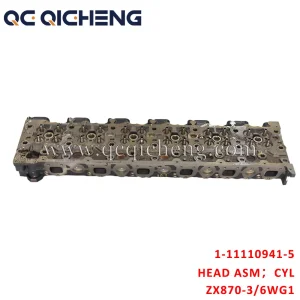
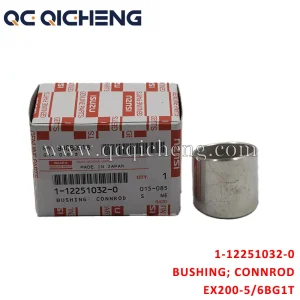
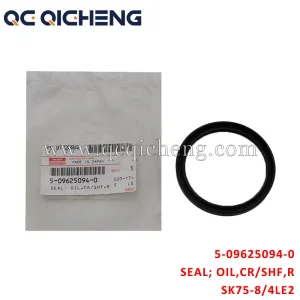
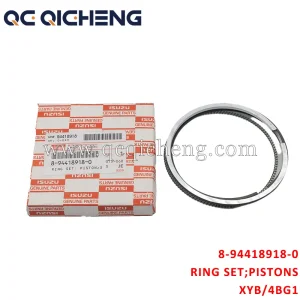
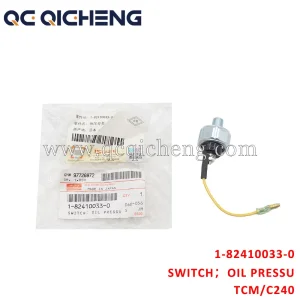
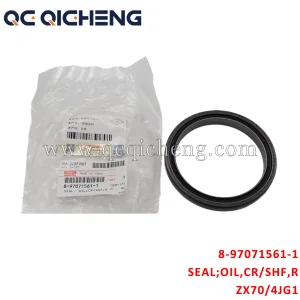
Isuzu Giga Heavy Commercial & NKR 71 Architecture Analysis
Evaluating structural integrity, thermal management dynamics, and operational efficiency profiles of the 4HG1-T and 6W/6U powertrain series in global commercial fleets.
NKR 71 (4HG1 / 4HG1-T) Engineering
The NKR 71 light-duty chassis leverages the 4.57L naturally aspirated and turbocharged 4HG1 direct-injection diesel engine. Operating at a bore and stroke of 115mm x 110mm, it delivers high low-end torque essential for urban freight stop-start cycles and demanding agricultural logistics.
Isuzu Giga Heavy Transport Platform
Engineered for high-tonnage mining and cross-border distribution, the Isuzu Giga relies on high-displacement 6WF1, 6WG1, and 6UZ1 common-rail platforms. With outputs up to 520 HP, these systems demand micron-level fuel filtration and advanced alloy cylinder heads to survive extreme continuous duty cycles.
Metallurgical & Tribological Standards
Critical internal engine components such as connecting rod metal sets and crankshaft bearings must sustain cyclical combustion pressures above 18 MPa. Qicheng supplies triple-layer copper-lead and tin-aluminum bearings that eliminate early flaking, bearing scuffing, and premature oil degradation.
China OEM Manufacturing Synergies & Scale Efficiency
Why Tier-1 fleet managers, distributors, and mining conglomerates leverage China's specialized Isuzu automotive ecosystem via Qicheng Machinery & Equipment.
Joint-Venture Manufacturing Standards
China hosts premier manufacturing hubs (including Qingling Isuzu and Jiangxi Isuzu) that produce commercial powertrain components compliant with Tokyo OEM standards. Qicheng accesses these exact Tier-1 production lines, ensuring our clients receive strict Japanese metallurgy matched with competitive manufacturing costs.
Aggregated Inventory Liquidity
Guangzhou serves as the world's most critical nexus for commercial machinery logistics. With 10 domestic operating branches, Qicheng maintains an unbundled inventory of over 100,000 active SKUs, eliminating lengthy 6-8 month overseas assembly plant lead times through prompt off-the-shelf dispatch.
Rigorous Pre-Shipment Quality Control
Every single assembly—from turbocharger units to crankshaft oil seals—undergoes precision coordinate measuring machine (CMM) testing, surface hardness validation, and hydraulic leak testing. We eradicate superseded or misaligned regional part errors before crates ever leave Guangzhou.
Mission-Critical Operational Environments
Engineered component resilience mapped across diverse real-world operational challenges.
Open-Pit Mining Heavy Haulage
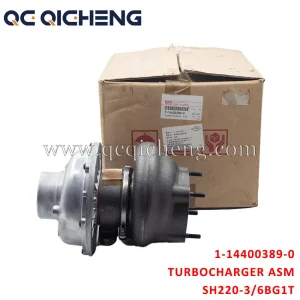
Isuzu Giga tractors fitted with 6WG1 engines run non-stop in heavy dust and excessive gradients. Wear-resistant turbochargers and heavy-duty cylinder gaskets prevent unexpected compression collapse.
Intercity NKR 71 Cold-Chain
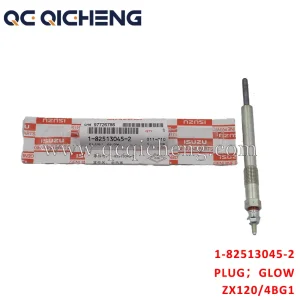
Cold-chain trucks demand uncompromising powertrain uptime. High-reliability glow plugs, starter relays, and oil pressure sensors ensure timely starts and preserve sensitive refrigerated cargo.
Tropical High-Humidity Logging
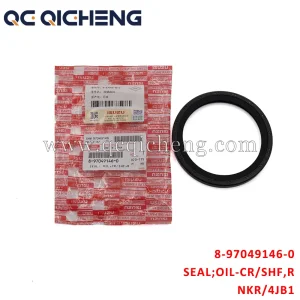
High moisture and sulfur fuels ruin standard seals and fuel pumps. Our viton crank oil seals and diamond-like-carbon (DLC) common rail injector components stop acid corrosion in Southeast Asia and Africa.
Excavation & Infrastructure
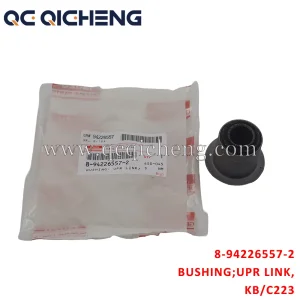
Where Isuzu industrial diesels run Hitachi ZX200/ZX330 earthmovers, high vibrations demand reinforced front-link upper bushings, hardened connecting rods, and high-flow oil pan spacers.
Enterprise Procurement Strategies: Mitigating Fleet Downtime
Commercial fleet operators do not just buy spare parts—they secure operational uptime, risk abatement, and life-cycle economics.
Precision Engineered Assemblies & Service Kits
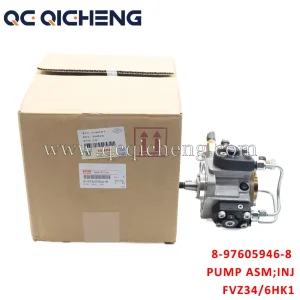
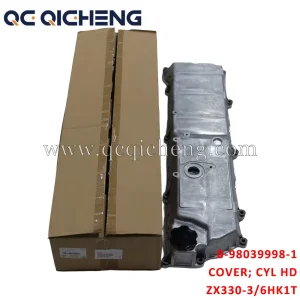
OEM-equivalent performance across fuel injection, turbocharging, and block reconditioning.
Commercial Diesel Fleet Evolution: 2025–2035
Technological transformations reshaping parts procurement and mechanical service lifecycles.
Emissions Tightening & Thermal Load
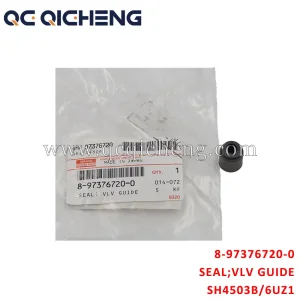
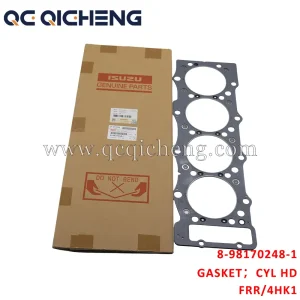
The progression to Euro VI and Tier 4 Final/Stage V mandates higher injection pressures (>2,500 bar) and extensive EGR recirculation. This substantially elevates combustion chamber temperatures, necessitating redesigned MLS (Multi-Layer Steel) gaskets, advanced ceramic valve guide seals, and heat-resistant turbine housings.
Remanufacturing vs. Replacement Economics
Skyrocketing raw material costs make high-integrity engine component rebuilding far more economical than total engine assembly replacement. The demand for sub-millimeter oversized piston rings, semi-finished cylinder liners, and standard connecting rod bearing pairs will outpace complete engine block sales by 3.4x over the coming decade.
Predictive Telematics-Driven Sourcing
Fleet operators are shifting away from breakdown repair to predictive maintenance intervals determined by onboard telematics. By linking OBD-II and CAN-bus telemetry data with supplier inventory levels, enterprises are procuring critical high-wear items—such as oil pressure switches and oil seals—weeks prior to operational failure.
Frequently Asked Questions for Fleet Engineers & Buyers
Direct technical clarifications on fitment validation, metallurgy, and procurement compliance.