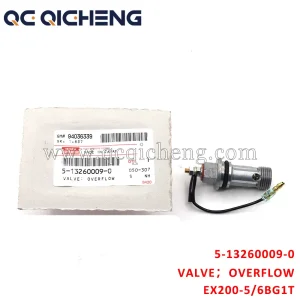
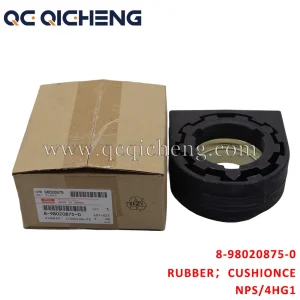
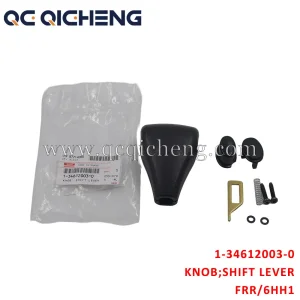
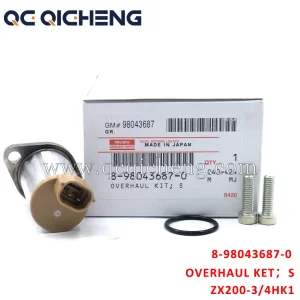
Featured High-Performance Components
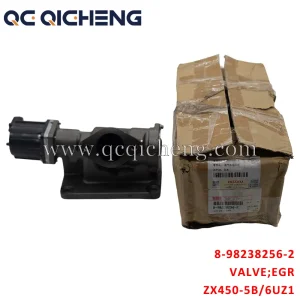
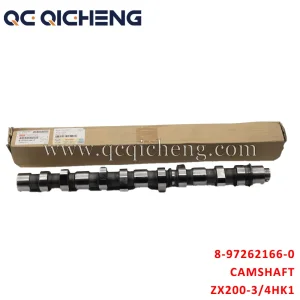
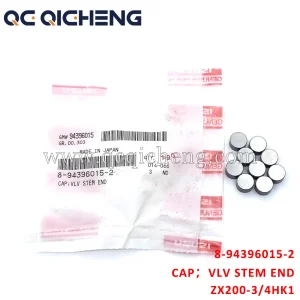
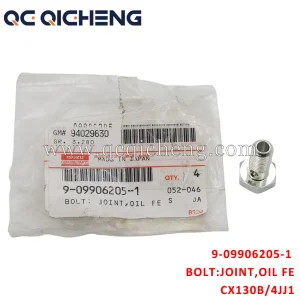
Direct supply line of precision powertrain, injection, and sensor architecture for Isuzu FTR, FRR, and FVR industrial engines.
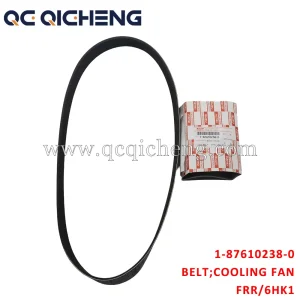
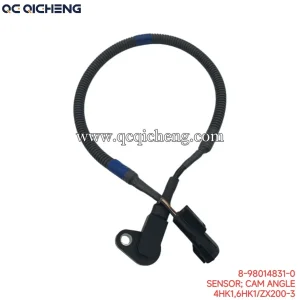
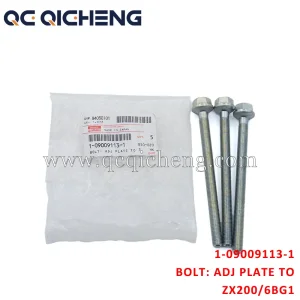
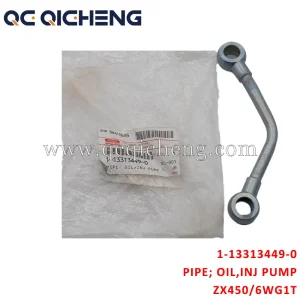
Global Enterprise Procurement Dynamics for Isuzu FTR Platforms
How Tier-1 fleet operators, municipal authorities, and logistics conglomerates manage high-availability medium-duty commercial platforms.
Fleet TCO Optimization
The Isuzu FTR, equipped with the robust 4HK1 and 6HK1 engine lines, represents the backbone of urban and regional distribution networks globally. Procuring genuine and certified high-grade replacement parts directly offsets unscheduled equipment downtime (UDT), driving down long-term Total Cost of Ownership through extended Mean Time Between Failures (MTBF).
Direct-Tier Pricing Transparency
Global logistics operations frequently face excessive price markups through fractured distributor networks. Our integrated procurement portal provides transparent tier-bracketed pricing matrices, bulk consolidation rebates, and itemized landed-cost simulations, allowing procurement directors to stabilize capital allocation across multi-year asset lifecycles.
Part Number Traceability
Interchange confusion often leads to costly deadweight inventory. By strictly cross-referencing OEM numbers (e.g., matching engine designations with chassis codes like FTR34 or FVR33), enterprise buyers ensure absolute dimensional and metallurgical compliance prior to container loading and international customs dispatch.
Macro-Industrial Solutions: Mining, Construction & Heavy Haulage
Engineering cross-compatibility between Isuzu powertrains and heavy mechanical infrastructure.
Dual-Application Synergies
Isuzu’s heavy-duty engineering philosophy creates an intrinsic operational bridge between commercial road transport and heavy earthmoving operations. Engines such as the 4HK1 and 6HK1 power both the Isuzu FTR truck chassis and premier excavators like the Hitachi ZX200-3 series. This overlap allows integrated engineering contractors to optimize consolidated parts inventory across trucks and machinery.
High-Stress Thermal Reliability
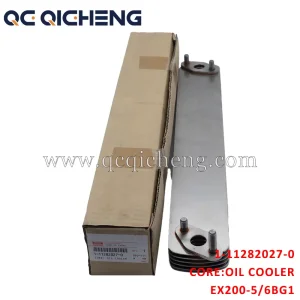
Severe operations in quarrying, aggregate transport, and long-range logistics demand extreme durability in cooling and lubrication subsystems. By implementing precision-matched cooling fan belts, heavy-duty oil coolers, and overflow bypass valves, enterprise fleets prevent high-load thermal breakdown under challenging ambient environments.
Modular Overhaul Ecosystems
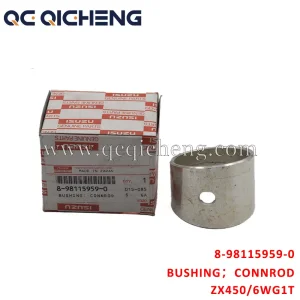
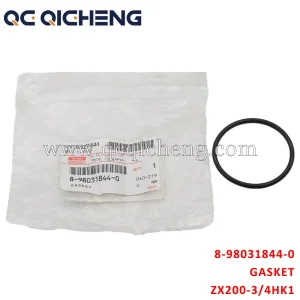
Instead of piecemeal parts replacements, our macro-solutions emphasize complete overhaul frameworks. Rebuilding kits integrating precision connecting rod bushings, balanced camshafts, and multi-layer steel gaskets yield standardized compression ratios, returning aging fleet assets to peak factory thermal efficiency.
Technical Roadmap & Future Outlook: Commercial Fleet Sustainability
Navigating Euro VI/EPA compliance, common-rail electrification, and smart predictive diagnostics.
Ultra-High Pressure Injection
Modern common-rail systems operate at pressures surpassing 2,000 bar. Our technical roadmap addresses ultra-fine micro-clearance tolerances in high-pressure fuel supply lines, precision electromagnetic solenoids, and electronic sensors, safeguarding low emission outputs without sacrificing payload torque density.
Advanced Exhaust Aftertreatment
As global emission standards tighten to Euro VI and Tier 4 Final, parts support for electronic EGR valves, urea dosing sensors, and thermal pressure regulators becomes paramount. We continually update component alloys to resist high-temperature soot corrosion and chemical oxidation inside post-combustion streams.
Predictive Sensor Integration
The digitization of fleet telematics relies on reliable sensor output. Camshaft position, MAP, and oil pressure sensors must feed accurate micro-readings to the ECM without latency, preventing sudden failsafe limp-mode events through integrated diagnostic reliability.
Global Commercial Landscape: Managing Supply Chain Fragility
Strategic inventory decentralization and buffer architectures to mitigate international logistical disruptions.
Mitigating Lead-Time Volatility
Unpredictable deep-sea shipping schedules and regional logistics constraints pose persistent operational risks for equipment maintenance managers. Maintaining dynamic inventory allocations across central logistical hubs ensures regular line-haul fleets receive critical service parts within expedited dispatch windows.
Tier-1 Parts Standardization
In developing logistics markets, mixed fleets often suffer from low-grade counterfeit parts that compromise reliability. Establishing certified supply channels with validated material specs ensures parts comply with the rigorous tolerances demanded by commercial diesel operators.
Engineering Support Networks
Global supply requires more than passive warehouse distribution. Experienced parts technicians analyze field-reported engine codes, cross-check assembly blueprints, and confirm structural interchangeability prior to dispatch, preventing recurring operational failures.
Localized Regulatory Frameworks & Compliance Assurance
End-to-end import documentation, metallurgical testing verification, and global packaging protocols.
Customs Tariff & HS Code Accuracy
Incorrect export classifications can lead to port clearance holds, punitive fines, and extended project delays. Our logistics operations provide accurate Harmonized System documentation, Certificates of Origin (COO), and formal compliance declarations for hassle-free clearance at border terminals worldwide.
Industrial Anti-Corrosion Packing
International sea freight exposes bare steel and machined cast iron to salt air and humidity. Precision components—such as camshafts, engine blocks, and hydraulic valves—are treated with vapor corrosion inhibitors (VCI) and sealed in heavy-duty vacuum enclosures inside reinforced export crating.
Flexible Corporate Settlement
Accommodating global corporate treasuries, our financial infrastructure supports secure multi-currency settlements, including Letters of Credit (L/C), open accounts for contracted fleet operators, and telegraphic transfers (T/T) tied to verified shipping milestones.
Procurement Intelligence: Questions & Technical Guidance
Authoritative insights for technical buyers, inventory controllers, and logistics professionals.
How can our procurement team verify parts compatibility across Isuzu FTR trucks and Hitachi heavy machinery?
Cross-verification requires matching three core identifiers: the vehicle or equipment chassis model, the engine model designation (e.g., 4HK1-TCS, 6HK1-XN), and the exact OEM part number stamped on the existing unit. Because Isuzu engines are utilized across both commercial road freight (FTR, FVR, FRR) and heavy hydraulic excavators (Hitachi ZX200, ZX210, ZX330), our parts engineering team utilizes digital microfiche schematics to confirm casting dimensions, port layouts, and bolt spacing before finalizing invoices.
What parameters influence price points in the Isuzu FTR Parts Pricelist?
Pricelist brackets are structured around order volume, metallurgical grade (OEM genuine vs. precision-engineered certified aftermarket), and target logistics speed (air freight vs. consolidated container loads). Significant discounts apply to full overhaul engine kits, crate assemblies, and quarterly standing orders placed by fleet operators, transport authorities, and contracted equipment repair facilities.
What is your policy regarding lead times and urgent machine-down dispatches?
With more than $15 million in standing stock covering over 100,000 SKUs, standard service parts, rebuild kits, sensors, and common valvetrain components are packaged within 24 hours of confirmation. For emergency "Machine-Down" scenarios, direct air courier dispatch via DHL, FedEx, or air-freight express can be arranged to minimize operational downtime.
What quality assurance measures guarantee the reliability of critical internal engine components?
Every critical component—such as camshafts, connecting rod bushings, and high-pressure fuel lines—undergoes optical dimensional validation, ultrasonic flaw inspection, and hardness rating checks. All parts comply with ISO 9001 quality management guidelines, ensuring precise heat resistance and structural durability in severe operating environments.
How are export documentation, customs clearances, and regional compliance handled?
Our dedicated global logistics department prepares all required commercial trade documentation, including detailed commercial invoices, packing lists with net/gross weight disclosures, bills of lading, and verified Certificates of Origin (COO). We align our processes with destination customs protocols to facilitate swift clearance across the Americas, EMEA, and Asia-Pacific markets.
Heavy-Duty Overhaul & Transmission Components
Complete your fleet maintenance inventory with factory-calibrated core components and rebuild kits.