
Featured Industrial Components & Fast-Track Inventory
High-precision replacement components, powertrain accessories, and structural sub-assemblies calibrated for commercial Isuzu platforms and heavy-duty industrial applications.
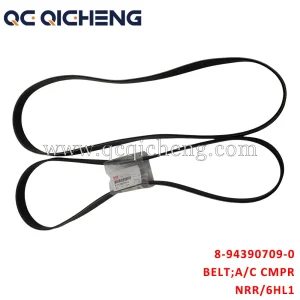
Wholesale 8-94390709-0 BELT A/C CMPR For ISUZU NRR 6HL1 Suppliers, Pricelist
View Quote & Specs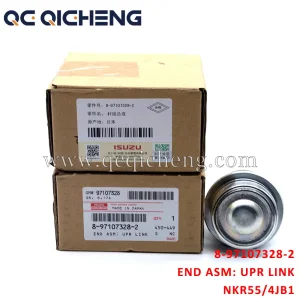
High-Quality 8-97107328-2 END ASM UPR LINK For ISUZU NKR55 4JB1 Suppliers, Supplier
View Quote & Specs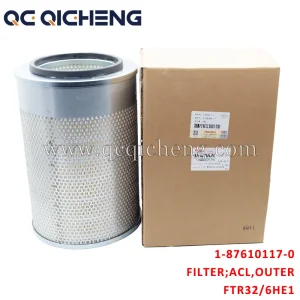
High-Quality 1-87610117-0 FILTER ACL OUTER For ISUZU FTR32 6HE1 Suppliers, Supplier
View Quote & Specs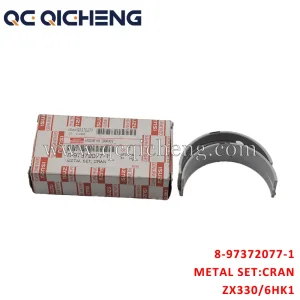
High-Quality 8-97372077-1 METAL SET CRANKSHAFT STANDARD for Isuzu ZX330 4HK1 6HK1 Suppliers, Supplier
View Quote & Specs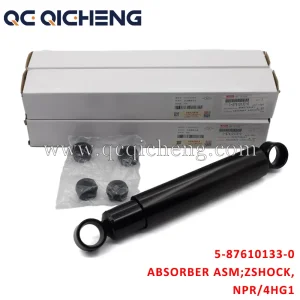
Wholesale 5-87610133-0 ABSORBER ASM SHOCK RR For ISUZU NPR 4HG1 Suppliers, Quotes
View Quote & Specs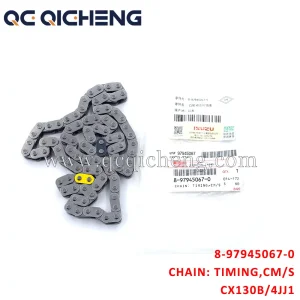
Wholesale 8-97945067-0 CHAIN TIMING CM/S For ISUZU CX130B 4JJ1-1-1 Supplier, Quotes
View Quote & Specs
High-Quality 8-97945067-0 CHAIN TIMING CM/S For ISUZU CX130B 4JJ1-1 Suppliers, Pricelist
View Quote & Specs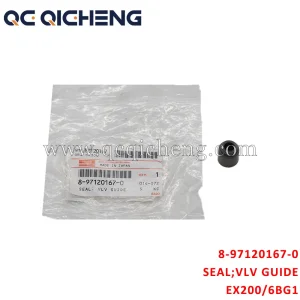
Wholesale 8-97120167-0 SEAL VLV GUIDE For ISUZU EX200 6BG1 Supplier, Pricelist
View Quote & SpecsChinese Factory Advantages in Isuzu D-Max Body Panel Production
The confluence of heavy capital investments in progressive multi-stage stamping presses, automated cathodic electrodeposition (E-coat) lines, and computerized coordinate measuring machines (CMM) delivers institutional quality at global market parity.
Progressive Hydraulic Stamping
Equipped with 1,200T to 2,500T automated progressive stamping lines, our specialized plants fabricate Isuzu D-Max front fenders, bonnets/hoods, and tailgates using certified DC04 deep-drawing cold-rolled automotive steel. This eliminates surface springback, preserves panel rigidity, and guarantees OEM-grade aerodynamic continuity.
Cathodic Electrodeposition (E-Coat)
Raw sheet metal is exposed to severe environmental degradation without clinical chemical pre-treatment. Our production facilities deploy continuous 12-stage automated dipping lines, combining zinc phosphate immersion with cathodic electro-deposition, yielding a uniform 18-25μm dry film thickness exceeding 1,000 hours of ASTM B117 neutral salt spray resistance.
Full-Form CMM Tooling Calibration
Tooling wear represents the primary vector of dimensional drift in replacement body components. Chinese master mold centers utilize high-frequency laser digitizers and 3D Bridge CMM inspection fixtures. We maintain strict geometric tolerance margins within ±0.35mm across critical mounting holes, door flanges, and hood-to-fender seam gaps.
Technological Trajectories in Pickup Truck Body Engineering
An engineering breakdown of material migration, structural crash-energy dissipation designs, and aftermarket adaptation for the Isuzu D-Max lineage (RT50, RG01, and Next-Gen EV/Hybrid variants).
The global mid-size one-tonne pickup sector has shifted from rudimentary utilitarian haulers toward aerodynamically sophisticated, high-tensile crash-compliant platforms. For automotive wholesalers, insurance loss adjusters, and fleet maintenance contractors, understanding the technological shifts in Isuzu D-Max body manufacturing is decisive for optimizing lifecycle costs and passenger safety profiles.
Evolution of Isuzu D-Max Body Generations: Structural & Material Transition
Across the evolution from the early TF series through the RT50 (2012-2019) and the RG01 (2020-present) platforms, body panels have undergone rigorous optimization. While early generations relied heavily on single-gauge low-carbon mild steel, current manufacturing utilizes tailored blanks and dual-phase materials. This reduces curb weight to satisfy strict Euro 6d / Tier 4 emission standards while enhancing torsional stiffness by over 20%.
| Body Sub-System | Traditional Aftermarket Specification | Tier-1 Factory Specification (Our Standard) | Operational Impact & Lifespan |
|---|---|---|---|
| Front Bonnet / Engine Hood | 0.65mm Mild Steel; basic primer spray; manual hem flange crimping. | 0.80mm DC04 Drawing Steel; automated roller hemming; robotic anti-flutter mastic adhesive. | Zero highway vibration at 120 km/h; pedestrian impact compliance; perfect latch line alignment. |
| Front Fenders (Left/Right) | Non-phosphated stamped steel; prone to wheel-arch micro-cracking; primer thickness <10μm. | Cold-rolled galvanized steel sheet (SGCC); dual-die stamping; 22μm cathodic E-coat barrier. | Resists flying gravel ablation; no edge peeling; 100% gap parity with headlamp bezels. |
| Front & Rear Bumpers | Recycled Polypropylene (PP); rigid, low-impact elasticity; cracks at freezing temperatures. | Virgin PP + EPDM-TD20 composite; computer-controlled injection molding; UV-stabilized. | Withstands sub-zero off-road flex without brittle rupture; direct match for OEM paint baking. |
| Tailgate Assembly | Standard single-skin stamping; low hinge point reinforcement; handles warp under load. | Integrated double-wall welded box structure with internal high-strength anti-sag gussets. | Supports 300kg localized loading during commercial forklift/ramp loading cycles. |
Aerodynamic Integration and Sensor Accommodation
With the integration of Advanced Driver Assistance Systems (ADAS)—including millimeter-wave radars in the front grille and ultrasonic proximity sensors across front and rear bumpers—body parts suppliers cannot treat plastic moldings as passive aesthetic shells. Our tooling includes factory-formed sensor brackets with ultrasonic welding jigs, ensuring the sensor beam angle maintains zero angular deviation from factory calibration targets.
Localized Application Scenarios & Severe Duty Profiles
The Isuzu D-Max operates across distinct extreme environments worldwide. Our replacement body parts and structural components are engineered to withstand these localized operating stresses.
Australian Out-Back & Mining
High UV indexes, red dust penetration, and extreme corrugated tracks demand heavy-duty front bull-bar mounting structural brackets, high-rigidity inner wheel liners, and scratch-resistant powder-coated steel side steps.
Southeast Asian Tropical Agriculture
Operating across oil palm plantations in Thailand, Malaysia, and Indonesia exposes undercarriages to saturated humidity, muddy washouts, and organic acids. Premium anti-corrosion E-coat panels prevent premature floor and door skin perforation.
African Logistics & Mining Hubs
Severe unpaved infrastructure across Zambia, Kenya, and South Africa induces cyclic chassis torsion. Reinforced steel tailgates, structural cabin supports, and heavy-duty radiator core supports maintain critical cooling clearances.
European Commercial Fleets
Serving utility and municipal fleets exposed to winter road de-icing salts. Components require stringent E-Mark photometric compliance on headlamps, alongside electro-galvanized skin metals meeting European environmental and crash requirements.
Macro Industry Solutions: Packaging, Consolidation & Risk Mitigation
Eliminating freight deformation, lowering cubic meter (CBM) volume, and guaranteeing containerized delivery integrity for overseas distributors and high-volume procurement teams.
Transit Anti-Deformation Packaging
Body sheet metal is susceptible to transit denting and corner dog-earing during intermodal ocean transport. We utilize laser-cut high-density EPS edge protectors, multi-layer corrugated reinforced outer cartons, and rigid steel modular cradles for bonnets and door shells to ensure zero transit loss.
Mixed BOM Consolidation
Purchasing entire 40ft High Cube containers of only hoods or bumpers incurs severe freight penalties due to volumetric weight discrepancies. Our Guangzhou consolidation hub packs high-density powertrain parts (crankshafts, timing sets, pulleys) inside hollow panel cavities, optimizing freight spend per unit.
Rigorous Quality Validation
Every export production batch is cataloged via detailed traceability sheets. Before sealing containers, checking fixtures confirm that door hinges, lock strikers, wiring harness channels, and glass run channels interface precisely with genuine Isuzu cab bodies.
Global Procurement Requirements: RFP & Quality Specifications
Essential benchmarks for international insurance supply chains, government fleet tenders, and commercial spare parts distribution networks.
Enterprise procurement managers evaluating suppliers of aftermarket and OEM-equivalent Isuzu D-Max body parts must enforce a multi-layered verification framework. Relying solely on low ex-works unit cost frequently introduces severe downstream friction: excessive labor hours in body shop alignment hammering, paint delamination claims, and failure to pass national roadworthiness inspections.
1. Metallurgical & Chemical Compliance
Specify steel tensile strength (min. 270-320 MPa for outer skin, 440-590 MPa for internal beams). Mandatory mill test certificates (MTC) proving heavy-metal-free cathodic primers compatible with commercial refinishing paints.
2. Photometric & Optical Standards
Lighting equipment (projector headlamps, LED DRL arrays, taillight assemblies) must feature clear optical polycarbonate lenses with UV anti-yellowing hard-coating and verified E-Mark (ECE) or DOT certification stamps.
3. Tooling Ownership & Custom R&D
For high-volume regional distributors requiring proprietary styling, custom restyling fascias, or specialized fleet brackets, our mold tooling workshops engineer progressive stamping and injection tooling under strict NDA guarantees.
Mechanical, Electrical & Powertrain Components
Beyond outer skin panels, complete fleet readiness demands genuine-spec engine internals, hydraulic control units, and electrical sensors. Explore our cross-referenced mechanical stock below.
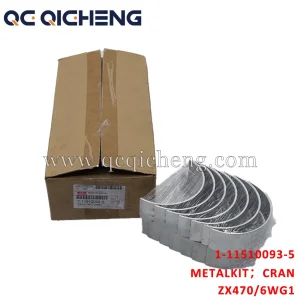
High-Quality 1-11510093-5 METAL KIT CRANKSHAFT STANDARD For ISUZU ZX470 6WG1 Suppliers, Quotes
View Quote & Specs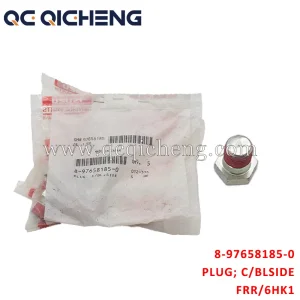
High-Quality 8-97658185-0 PLUG C/BLSIDE For ISUZU 4HK1 6HK1 Supplier, Quotes
View Quote & Specs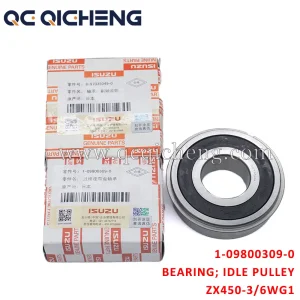
High-Quality 1-09800309-0 BEARING IDLE PULLEY For ISUZU ZX450-3 6WG1 Suppliers, Quotes
View Quote & Specs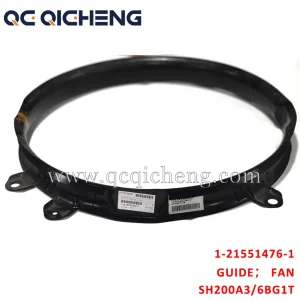
Wholesale 1-21551476-1 GUIDE FAN For ISUZU SH200A3 6BG1T Pricelist, Quotes
View Quote & Specs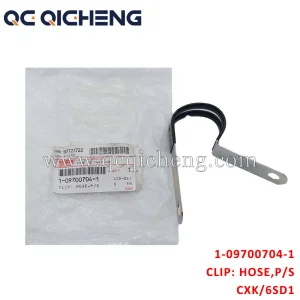
Wholesale 1-09700704-1 CLIP HOSE P/S For ISUZU ZX240-3 6SD1 4HK1 6HK1-1 Suppliers, Supplier
View Quote & Specs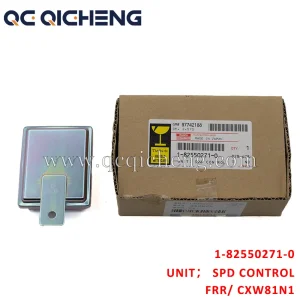
Wholesale 1-82550271-0 UNIT SPD CONTROL For ISUZU FRR CXW Suppliers, Supplier
View Quote & Specs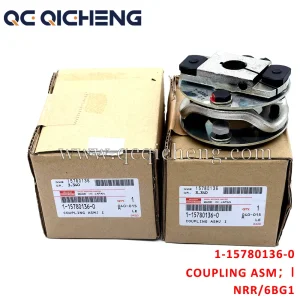
High-Quality 1-15780136-0 COUPLING ASM I For ISUZU NRR 6BG1 Suppliers, Supplier
View Quote & Specs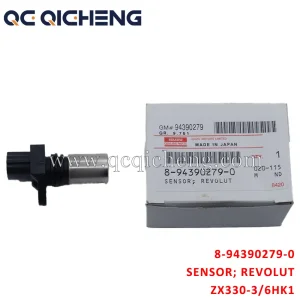
Wholesale 8-94390279-0 SENSOR REVOLUTION ENG SPD For ISUZU ZX330-3 6HK1 6SD1 Pricelist, Quotes
View Quote & SpecsFrequently Asked Questions by Commercial Buyers
In-depth answers addressing panel fitment, lead times, surface treatments, and containerized transport security.