
What Type of Engine Is a 6HE1 Engine?

Time:2026-10-29 Author:Mason
0%

The 6he1 Engine is an Isuzu diesel engine, not a gasoline unit or a generic engine code. It is best known as a 7.1-liter, inline-six, four-stroke diesel used in commercial vehicles. Six cylinders sit in a straight row beneath the long cylinder head. That layout helps explain its steady power delivery and familiar service profile.

Engine researcher John B. Heywood’s work offers a useful way to classify engines: consider their combustion cycle and cylinder arrangement. A concise paraphrase of that principle is, “Identify the cycle and layout before naming the engine type.” This is an editorial paraphrase, not a verified quotation about the 6HE1. That distinction matters. A precise attribution should be checked against a published source.

So, what type of engine is a 6HE1 Engine? It is an inline-six, compression-ignition diesel designed for heavy-duty work. Depending on the version, it may be naturally aspirated or turbocharged. The exact configuration can vary by vehicle and market, so the engine plate and service manual are better guides than a broad online listing.

Look closely at the engine code. Check the intake plumbing, turbocharger hardware, and vehicle application. Those details help distinguish variants. A name alone can mislead. Even experienced owners may overlook small configuration changes, and that is worth remembering when identifying parts or planning maintenance. This guide explains the engine’s basic type, design, common applications, and practical identification points without treating every 6HE1 as identical.
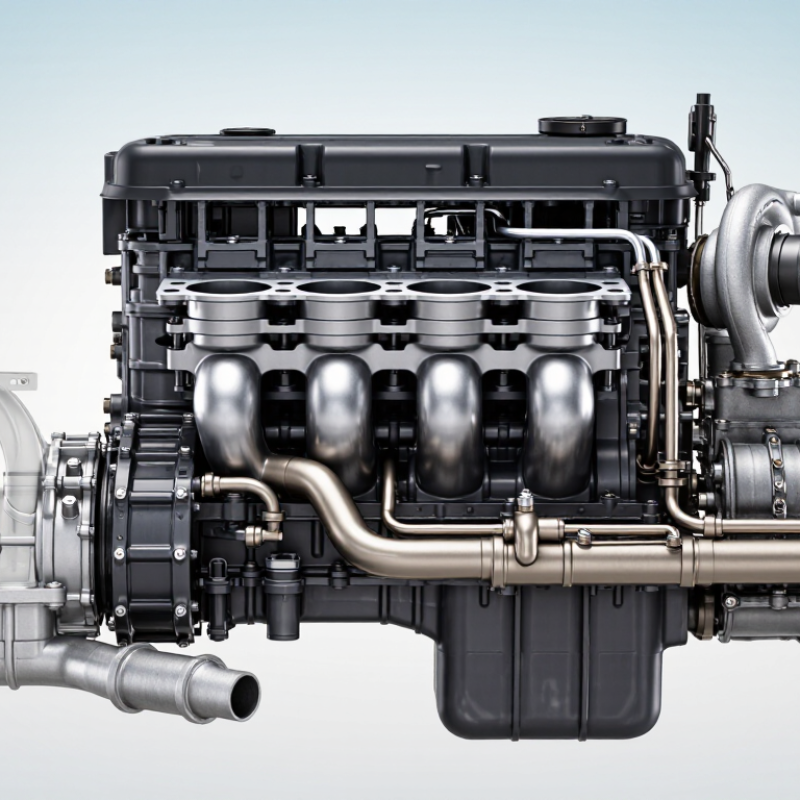
What Type of Engine Is a 6HE1 Engine?

6HE1 Engine Classification and Basic Design

The 6HE1 is a four-stroke, compression-ignition diesel engine with an inline six-cylinder layout. It belongs to the medium-duty diesel class, with a displacement of about 7.1 litres. Published service specifications list a 110 mm bore and 125 mm stroke. That long-stroke geometry supports useful low-speed torque for loaded vehicles and equipment. It is a substantial block.

Its basic design uses direct fuel injection, liquid cooling, and a cast engine structure. Depending on the configuration, the engine may be naturally aspirated or turbocharged, so output figures should be matched to the exact version. DieselNet’s technical review of compression-ignition engines explains how high compression heats intake air, allowing injected fuel to ignite without a spark plug. In practical terms, the cylinder head, injection system, and cooling circuit all matter when assessing condition. A worn injector can affect starting and smoke, even when compression remains acceptable.

SAE International’s technical literature on diesel combustion also emphasizes the relationship between fuel delivery, air supply, and emissions. That principle helps explain why two 6HE1 engines can behave differently after years of service. The 7.1-litre figure is useful, but it does not identify turbocharging, calibration, or duty history. Check the engine plate and service records before comparing specifications. Some catalog listings are incomplete, and that is easy to overlook.

What Type of Engine Is a 6HE1?

The 6HE1 is a six-cylinder, four-stroke diesel engine with an inline cylinder layout, liquid cooling, and direct fuel injection. Its displacement is approximately 7.1 liters.

The chart compares the engine’s 110 mm bore with its 125 mm stroke. The longer stroke means the piston travels farther than the cylinder bore’s diameter.

Cylinder Configuration, Displacement, and Fuel Type

The 6HE1 is a six-cylinder, inline diesel engine. Its cylinders sit in one straight row, which makes the layout easy to identify in a service bay. Technical service specifications give a 110 mm bore and 125 mm stroke. Together, these dimensions produce about 7.13 litres of displacement, using the standard cylinder-volume calculation. That is a substantial swept volume for a commercial vehicle engine. Still, displacement alone does not tell you how much power an engine delivers.

Its fuel is diesel, ignited by compression rather than a spark plug. The U.S. Department of Energy’s Alternative Fuels Data Center reports that conventional diesel contains about 128,488 Btu per gallon; that figure describes fuel energy, not engine output. The distinction matters when comparing fuel use or performance. In practical terms, expect diesel fuel equipment and high-pressure injection components. Exact configuration can vary by application, so check the engine’s identification plate and service documentation before ordering parts. Small details matter. A worn plate or a swapped component can complicate identification.

How the 6HE1 Engine Produces Power

What Type of Engine Is a 6HE1 Engine?
How the 6HE1 Engine Produces Power

The 6HE1 is a roughly 7.1-liter, inline-six, four-stroke diesel engine. Its six cylinders move through intake, compression, power, and exhaust strokes. During intake, each cylinder draws in air. The piston then compresses that air, raising its temperature. Near the top of the compression stroke, fuel is injected and ignites from the heat. No spark plug is needed. Expanding combustion gases push the piston downward, turning the crankshaft through the connecting rod. The crankshaft’s rotation becomes usable engine power.

The cylinders deliver power in sequence, helping the engine run smoothly under load. A flywheel carries that rotation onward to the drivetrain. Some versions use a turbocharger to force more air into the cylinders; equipment and engine configuration can differ. That detail matters. Do not assume every 6HE1 has identical output or hardware. Good oil flow and cooling also help protect moving parts, especially during sustained work. A rough idle alone, though, does not identify a specific fault.

Tips: Check oil and coolant levels when the engine is cool. Note smoke, unusual knocks, or hard starting, and compare findings with the correct service information. Small clues count.

Vehicles and Equipment Commonly Using the 6HE1

The 6HE1 is a six-cylinder diesel engine most commonly found in medium-duty commercial vehicles. Its applications include work trucks that carry tools, materials, or local deliveries. It also appears in bus chassis, where steady torque helps move a full passenger load through frequent stops. Exact fitment varies by vehicle year and market.

Vocational trucks are another common setting. Examples include dump trucks, concrete mixers, refuse vehicles, and service trucks fitted with equipment such as hydraulic lifts. These jobs place changing demands on the engine: a mixer may run for long periods, while a delivery truck faces repeated starts and stops. Some industrial or stationary installations may use the engine too, but the application should be confirmed from its identification plate and service records.

Details matter here. A vehicle’s badge or body style alone cannot confirm its engine. Check the engine code, chassis documentation, and installed accessories before ordering parts or planning repairs. The same basic engine may have different cooling, intake, or emissions equipment across applications. That can be easy to overlook. I would not assume every 6HE1-powered truck shares identical specifications; a quick visual match can still lead to the wrong component.

Key Variants and Operating Characteristics

The 6HE1 is a 7.1-litre inline-six diesel, with a 110 mm bore and 125 mm stroke in published technical specifications. The family includes naturally aspirated and turbocharged versions; some configurations also use charge-air cooling. These differences affect airflow, heat management, and rated output, so a model code alone does not identify the exact setup. Check the engine plate and service data. Small details matter.

In operation, the long stroke supports strong low-speed pulling, while six cylinders deliver steady firing and reduced vibration. Turbocharged versions can maintain airflow under heavier loads, but depend on sound cooling and lubrication. Dusty intake filters or worn hoses can quickly undermine performance. Not glamorous, but important. ISO 3046-1:2002 sets reference conditions for declaring reciprocating-engine power, which helps explain why ratings from different test conditions may not compare directly. For a specific 6HE1 variant, use its rated speed, aspiration type, and test conditions together. One practical caveat: older engines may have been rebuilt or modified, so original specifications may no longer describe the hardware in front of you.

FAQS

What type of engine is the 6HE1?

It is a four-stroke, compression-ignition diesel with six cylinders in a row. It has about 7.1 litres of displacement. No spark plugs.

What are its bore and stroke measurements?

Published service specifications list a 110 mm bore and a 125 mm stroke. This long-stroke design supports useful low-speed torque under load.

How does the 6HE1 produce power?

Each cylinder draws in and compresses air. Injected fuel ignites from the heat, pushing the piston down and turning the crankshaft.

Does every 6HE1 have a turbocharger?

No. Some versions are naturally aspirated, while others are turbocharged. Check the engine plate; similar names do not guarantee identical hardware.

How can the fuel system affect engine behavior?

Fuel delivery works with the air supply to support combustion. A worn injector may contribute to hard starting or smoke, even when compression seems acceptable.

Why might two 6HE1 engines perform differently?

Calibration, configuration, maintenance, and duty history can all matter. A 7.1-litre figure alone tells only part of the story.

What should I check before comparing specifications?

Review the engine plate and service records. Confirm whether the engine is turbocharged and check the exact configuration. Catalog details can be incomplete.

What should I note during a basic inspection?

Check oil and coolant when the engine is cool. Note smoke, unusual knocks, or hard starting. A rough idle alone does not identify the fault. I would not treat one puff of smoke as a diagnosis.

Conclusion

The 6he1 Engine is a six-cylinder, inline diesel engine with a displacement of about 8.2 liters. Its cylinders are arranged in a straight line, a design that supports steady power delivery and practical servicing in heavy-duty applications. As a compression-ignition engine, it uses diesel fuel: air is compressed inside each cylinder, and fuel ignites under the resulting heat. This four-stroke process produces the torque needed for demanding work.

The engine is commonly found in commercial vehicles such as medium- and heavy-duty trucks and buses, as well as in some industrial or construction equipment. Its power output and operating characteristics vary by version and application. Depending on configuration, a 6HE1 may be naturally aspirated or turbocharged, with differences in response, torque, and fuel use. These variants allow the engine to suit different loads and working conditions while retaining its basic inline-six design.

Mason

Mason

Mason is a seasoned marketing professional with a deep expertise in the company's offerings and a passion for driving brand awareness. With a strong background in digital marketing strategies, he has an innate ability to connect with diverse audiences and effectively communicate product benefits.......