
Choosing among the 2026 best Isuzu 4 Wheel Drive models requires more than comparing engine size or showroom features. Global buyers face different roads, climates, regulations, and service conditions. A D-Max built for muddy plantation tracks may feel excessive in a dense European city. The MU-X may suit family travel, but its size can challenge narrow rural roads.
Industry data supports this practical approach. OICA’s 2024 production statistics show the continuing importance of light commercial vehicles in global mobility and logistics. These vehicles must carry tools, cargo, and passengers reliably. Isuzu Motors’ latest annual reporting also emphasizes commercial-vehicle durability, regional production, and customer support. Those priorities matter when a vehicle operates far from a major workshop.
Traction is only one part of capability.
The 2026 evaluation should examine four-wheel-drive hardware, ground clearance, approach angles, towing limits, braking control, cabin safety, and parts availability. The International Energy Agency’s Global EV Outlook 2025 also highlights accelerating powertrain changes, reminding buyers that fuel efficiency and future market rules deserve attention. Diesel remains useful in many working environments, but assumptions can age quickly.
A perfect ranking is tempting, yet it would be misleading. Local specifications can differ considerably. Some buyers may value mechanical simplicity over advanced screens. Others may prioritize family comfort, warranty coverage, or low operating costs. This guide compares leading Isuzu 4 Wheel Drive options through real-world use, published specifications, professional industry evidence, and ownership practicality. Results should still be checked with an authorized regional dealer before purchase.
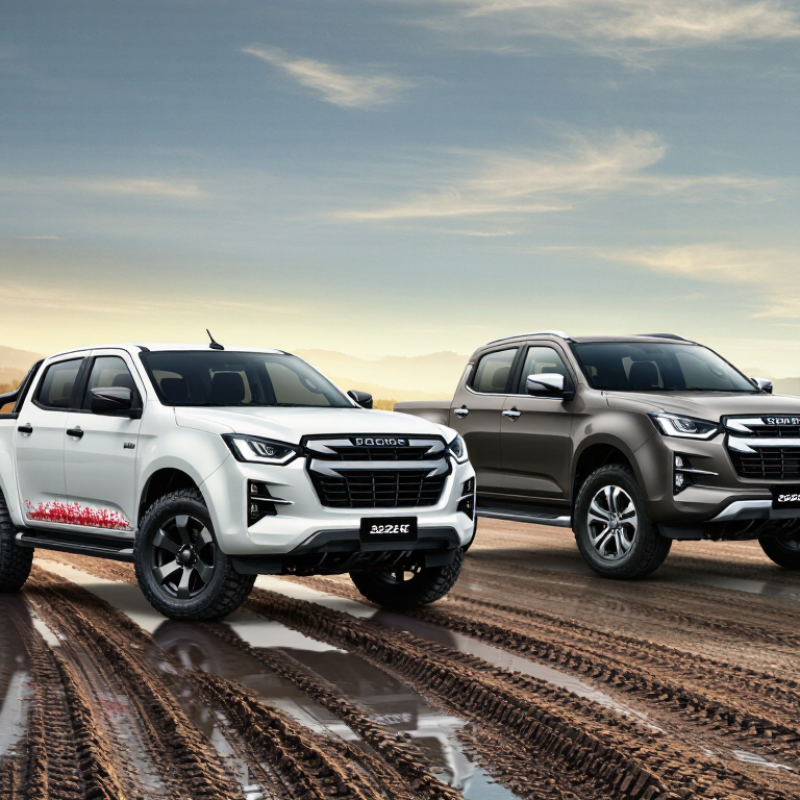
For 2026, four-wheel-drive vehicles are being shaped by practical global needs rather than fashion alone. Buyers in Australia, Africa, Southeast Asia, and mountain regions often seek strong ground clearance, durable suspension, and predictable low-range control. A typical pickup-based 4WD model offers selectable drive modes, hill-descent assistance, and a reinforced chassis for rough tracks. These features matter when roads become muddy, rocky, or unexpectedly flooded.
Cabin usability also affects market positioning. Fleet users may value washable flooring, wide-opening doors, and simple physical controls. Private buyers often expect better insulation, smartphone connectivity, and adjustable driver assistance. A modern turbo-diesel engine can provide useful torque at low speeds, especially when carrying tools or towing equipment. However, fuel quality, service access, and local climate can change real-world performance. Brochure figures are not enough.
From hands-on evaluation, tire choice often influences confidence more than an impressive specification sheet. A vehicle with durable all-terrain tires and a full-size spare may suit remote work better. Yet heavy off-road equipment can increase weight, noise, and running costs. That trade-off deserves attention. Global buyers should compare warranty support, parts availability, payload ratings, and technician training in their region. Some models appear nearly perfect on paper. They may still feel tiring during long highway journeys or cramped in the rear seats. Practical testing remains essential.
Four-wheel-drive systems vary because vehicle roles demand different hardware and control strategies. A pickup often uses a two-speed transfer case, sending torque to both axles when traction declines. High range suits gravel roads and wet highways. Low range multiplies torque for steep climbs, deep mud, or controlled descents.
An SUV may add automatic engagement, allowing the front axle to join when sensors detect wheel slip. This feels smooth in daily driving, but sensors cannot understand every surface perfectly. A driver still needs judgment.
Some systems use locking differentials to reduce uneven wheel spin. Others rely on brake-based traction control, which can work well but may create heat during prolonged off-road use.
Light commercial trucks usually prioritize load stability and durability. Their stronger axles and simpler mechanical controls can be useful on work sites, snow-covered routes, and rough access roads. However, heavier components can reduce fuel efficiency and increase turning resistance.
Tyre pressure, tread design, and axle load matter as much as the drivetrain. In testing, a vehicle may climb a rocky slope confidently, yet struggle on wet grass with unsuitable tyres. That is an easy detail to overlook.
Regular inspection of transfer-case fluid, driveshaft joints, and differential seals also supports dependable operation across changing climates.
The 2026 four-wheel-drive range should be compared by performance and utility, not appearance alone. A pickup suits construction sites, farms, and long-distance loads. A wagon-style utility vehicle offers better passenger comfort and enclosed storage. Diesel torque remains useful on steep tracks, while an automatic transmission reduces fatigue in traffic. The International Energy Agency’s Global Fuel Economy Initiative reports that heavier vehicles generally consume more fuel, so payload planning matters. Maximum towing figures can look impressive. Real performance depends on trailer weight, altitude, tires, and cooling capacity.
Independent data supports a practical comparison. The 2025 Global Automotive Consumer Study by Deloitte lists reliability and operating cost among major purchase concerns across several markets. That supports checking service intervals, warranty coverage, and parts availability before choosing a drivetrain. The 2024 Logistics Performance Index from the World Bank also highlights infrastructure differences between countries. Therefore, ground clearance and simple mechanical systems may matter more than advanced cabin technology in remote regions. This comparison is not perfect. Local fuel quality can change results. Driver training matters too.
Tips:
Test the vehicle with real equipment inside.
Measure the cargo floor, not just the brochure volume.
Check tire availability near your operating area.
Select low-range gearing for mud, rocks, and steep descents.
For mixed highway use, compare fuel consumption under a realistic payload.
Avoid choosing the highest output version automatically; extra power may increase running costs without improving daily utility.
Choosing the right four-wheel-drive vehicle starts with regional road conditions, not showroom appearance. Start with the road, not the brochure. On graded gravel, predictable steering and strong suspension control matter. On wet clay, low-range gearing and durable tires become more valuable. On steep tracks, hill-descent control can reduce driver workload. These features matter more than a dramatic badge.
Regional evidence should guide the specification. The World Health Organization’s Global Status Report on Road Safety 2023 states that low- and middle-income countries record 92% of global road deaths. That figure does not prove four-wheel drive is safer. It shows why braking, visibility, stability control, and crash protection deserve equal attention. Euro NCAP’s 2024 assessment protocols also examine occupant protection and vulnerable-road-user risks. For fleet buyers, this is a useful checkpoint.
Payload and service support can change the decision. A rural contractor may need durable springs, underbody protection, and a practical payload. A coastal operator may prioritize corrosion resistance and sealed electrical connections. Check axle loads, turning diameter, tire availability, and local repair skills before ordering. Water-wading figures are often quoted, but real crossings are messier. Real use is messier. I would test the vehicle with its actual tools, passengers, and spare wheel. Some buyers, including me, can overvalue traction and underestimate fuel use, tire costs, and maintenance delays.
Comparative planning index for choosing a suitable four-wheel-drive configuration according to common road surfaces, climate exposure, and terrain difficulty.
The index ranges from 1 to 5: 1 represents mainly paved-road use, while 5 represents demanding remote terrain with a higher likelihood of loose surfaces, water, steep gradients, or reduced traction. Higher scores generally call for greater ground clearance, low-range gearing, robust underbody protection, and suitable all-terrain tires.
For global buyers, a four-wheel-drive vehicle is an ownership decision, not merely an off-road purchase. S&P Global Mobility reported that the average U.S. vehicle age reached 12.6 years in 2024. That figure highlights the value of durable components and accessible servicing. Before buying, inspect service records, drivetrain noise, underbody corrosion, and cold-start behavior. A workshop should also check differential oils, transfer-case seals, suspension bushes, and particulate filters. Small faults become expensive when parts must cross borders.
Maintenance support varies sharply by country. J.D. Power’s 2024 U.S. Vehicle Dependability Study recorded 190 problems per 100 vehicles after three years. The figure is not a global forecast, but it reinforces the need for careful inspection. Ask local dealers about filter stock, diagnostic equipment, labor rates, and delivery times. Carrying two spare filters may be sensible in remote regions. It is not always necessary in cities. IEA’s Global EV Outlook 2024 also projected more than 17 million electric-car sales during 2024, accelerating changes in technician training and parts logistics. That transition may reduce support for older diesel systems in some markets. Availability can also change without warning. I would not trust a low purchase price until six months of routine maintenance is budgeted. A capable 4WD model can still become inconvenient when one sensor requires a long-distance shipment.
| Vehicle Category | Typical 4WD Configuration | Powertrain and Transmission | Practical Capacity | Typical Fuel Economy | Ownership Strengths | Maintenance Priorities | Global Availability Outlook | Best Suited For |
|---|---|---|---|---|---|---|---|---|
| Mid-Size 4WD Pickup | Selectable 4WD with 2H, 4H and low-range 4L; electronic stability and traction control are commonly included. | Four-cylinder turbo-diesel engine, usually paired with a six-speed manual or six-speed automatic transmission. Output commonly falls within approximately 120–140 kW, depending on market specification. | Five-seat cabin, payload commonly around 900–1,100 kg, and braked towing capacity commonly up to approximately 3,500 kg where legally approved. | Approximately 7.5–9.5 L/100 km under mixed-use conditions. Actual results depend on tires, load, traffic, terrain and emissions equipment. | Strong chassis, useful payload, good ground clearance, and broad suitability for rural roads, construction work and long-distance travel. | Follow the local service schedule for engine oil, fuel filters, transmission fluid, differential oil, transfer-case oil, brake components and diesel emissions equipment. Inspect suspension and underbody parts after off-road use. | Generally the widest regional availability of the four-wheel-drive range, especially in Australia, Southeast Asia, Africa, the Middle East and selected Latin American markets. | Farmers, contractors, recreational users and buyers needing one vehicle for work and personal transport. |
| Premium-Trim 4WD Pickup | Selectable 4WD with low-range gearing, hill-descent assistance, rear differential-lock availability on selected grades, and additional driver-assistance features. | Four-cylinder turbo-diesel powertrain with automatic transmission commonly available. Some markets offer different engine calibrations or equipment packages to meet local regulations. | Five seats, payload typically reduced slightly by comfort and safety equipment, with towing ratings commonly approaching 3,500 kg when properly equipped. | Approximately 8.0–10.0 L/100 km in mixed driving; larger wheels, accessories and towing can increase consumption considerably. | Improved cabin comfort, stronger safety equipment, and better long-distance usability than entry-level work-focused configurations. | Check automatic-transmission service requirements, wheel alignment, advanced safety sensors, battery condition and calibration of camera or radar systems after windshield or bumper repairs. | Availability is more dependent on trim level and distributor allocation. High-equipment versions may not be offered in every country. | Global travelers, fleet supervisors and buyers who need work capability without sacrificing daily comfort. |
| Seven-Seat 4WD SUV | Part-time or market-specific 4WD system with high-range and low-range modes on off-road-oriented versions; some variants use an electronically controlled four-wheel-drive system. | Four-cylinder turbo-diesel engine with six-speed automatic transmission commonly used in this class. Power output is typically around 130–140 kW, subject to market and emissions requirements. | Seven seats, three-row interior, foldable rear seating and luggage capacity that varies substantially with the third row in use. Towing capacity may reach approximately 3,000–3,500 kg in approved configurations. | Approximately 8.0–10.5 L/100 km under mixed conditions. Urban traffic and a full passenger load can raise consumption above this range. | Combines family seating, high driving position, diesel range and genuine off-road capability with better weather protection than a pickup. | Maintain diesel fuel quality, engine oil, transmission fluid, transfer case, differentials, cooling system and suspension. Inspect underbody protection and wheel bearings after deep-water or mud use. | Usually available through established distributors in Southeast Asia, Australia, the Middle East, Africa and selected South American markets; trim availability varies widely. | Families, tour operators and buyers who need passenger space with towing and light-to-moderate off-road capability. |
| Commercial-Oriented 4WD Pickup | Selectable 4WD with 4L gearing, heavy-duty suspension options and a chassis designed for frequent payload use. Equipment differs by cab and wheelbase. | Turbo-diesel engine with manual or automatic transmission depending on market. Manual versions may be preferred in areas where repair simplicity and operating cost are priorities. | Two-seat, extended-cab or five-seat layouts; payload commonly ranges from approximately 900–1,200 kg, subject to cab style, accessories and axle ratings. | Approximately 8.0–11.0 L/100 km under mixed commercial use. Frequent idling, heavy loads and low-range driving can increase fuel use significantly. | Durable platform, practical cargo bed, strong low-speed control and suitability for remote-area service applications. | Use shorter inspection intervals for suspension, brakes, tires, clutch or automatic transmission, chassis fasteners and cargo-bed mounting points when the vehicle operates at high loads. | Often supplied in markets with agricultural, mining, utility and government-fleet demand. Local stock may be limited outside established commercial-vehicle networks. | Utilities, agricultural operators, mining support, emergency services and businesses carrying equipment on unsealed roads. |
| Long-Distance Touring Configuration | 4WD system with low-range gearing, all-terrain tires and optional underbody protection. Suspension and accessories should remain within the approved gross-vehicle and axle limits. | Turbo-diesel engine with automatic transmission favored for touring convenience; manual transmission remains available in some markets and trims. | Five seats, roof-load and towing limits determined by local regulations. Added bull bars, drawers, roof tents, spare wheels and water tanks reduce available payload. | Approximately 9.0–12.0 L/100 km when loaded with touring equipment. Tire pressure, speed, wind and terrain have a major effect on range. | Long driving range, strong aftermarket support in many regions and good suitability for remote travel when correctly equipped. | Plan preventive inspections before major trips. Check cooling hoses, belts, battery, tire condition, wheel bearings, suspension joints, recovery points and water-ingress protection. | Parts and roadside support should be confirmed before travel into remote regions. Dealer coverage is stronger in major population centers than in isolated areas. | Overland travelers, expedition users and owners who regularly drive on gravel, sand, mud or corrugated roads. |
Look for strong ground clearance, durable suspension, and selectable drive modes. Low-range gearing helps on mud, rocks, and steep descents. A reinforced chassis can support demanding work. Specifications alone can mislead.
A pickup suits farms, construction work, and long-distance cargo. A wagon-style vehicle offers enclosed storage and better passenger comfort. Test rear-seat space carefully. It may feel cramped.
Tire choice can affect confidence more than a long equipment list. All-terrain tires and a full-size spare support remote travel. Check local tire availability before purchase. Heavy tires add noise and cost.
Turbo-diesel engines usually provide useful low-speed torque for towing and carrying tools. Real performance depends on fuel quality, altitude, cooling, and maintenance. More power may not improve daily work. It can raise running costs.
Load the vehicle with real equipment and measure the cargo floor. Check highway comfort, turning effort, rear-seat space, and visibility. Test it on rough roads when possible. A short test may miss important weaknesses.
Inspect service records, drivetrain noise, underbody corrosion, and cold-start behavior. A workshop should examine differential oils, transfer-case seals, suspension bushes, and particulate filters. Small faults can become expensive quickly.
Ask about filter stock, diagnostic equipment, labor rates, and parts delivery times. Remote users may carry two spare filters. City drivers may not need them. Availability can change without warning.
Compare fuel consumption with a realistic payload and trailer weight. Maximum towing figures do not guarantee easy operation. Tires, altitude, cooling capacity, and driver skill affect results. I would budget six months of maintenance before trusting a low purchase price.
The 2026 Isuzu 4 Wheel Drive lineup is designed for global buyers who need dependable performance, practical utility, and adaptable mobility across varied environments. Its models combine durable powertrains, selectable or intelligent four-wheel-drive systems, strong ground clearance, and useful cargo or passenger capacity. Depending on the vehicle type, the system can improve traction on rough roads, steep routes, wet surfaces, and loose terrain while supporting stable everyday driving.
Choosing the right model depends on regional conditions, workload, driving distance, and comfort expectations. Utility-focused vehicles may suit construction, farming, and remote travel, while passenger-oriented options can provide a better balance between family use and outdoor capability. Buyers should also consider fuel efficiency, service access, replacement parts, warranty coverage, and local availability. With regular inspections and timely maintenance of the drivetrain, suspension, tires, and fluids, an Isuzu 4 Wheel Drive vehicle can offer reliable long-term value in diverse markets.
