
2026 Best Isuzu Diesel Engine for Sale Worldwide?
Choosing the 2026 best Isuzu Diesel Engine for sale worldwide starts with the work it must do. A delivery truck in Manila faces different demands from a construction machine in rural Australia. Payload, operating hours, fuel access, climate, and parts availability all matter. There is no universal winner. That is worth remembering.
The International Energy Agency’s Global Energy Review 2025 estimates that energy-related carbon dioxide emissions reached 37.8 billion tonnes in 2024. This figure does not rank engines, but it underlines why buyers should compare fuel consumption and emissions information carefully. Isuzu Motors’ Integrated Report also provides useful background on the company’s engine development and business priorities. Together, these sources offer context—not a substitute for checking the specification of a particular engine.
For a practical comparison, buyers should verify the engine code, rated power, torque curve, emissions configuration, and compatibility with the intended vehicle or equipment. Ask for service records and confirm the engine’s condition, not just its advertised hours. A clean-looking block can hide wear. Check parts support and warranty terms in the destination market, too. These details can change the real cost of ownership more than a small difference in purchase price.
This guide compares Isuzu Diesel Engine options by application, availability, and key buying checks. It also notes where evidence is limited. Used-engine listings do not always provide complete histories, and that makes confident comparisons harder. A careful inspection remains essential.
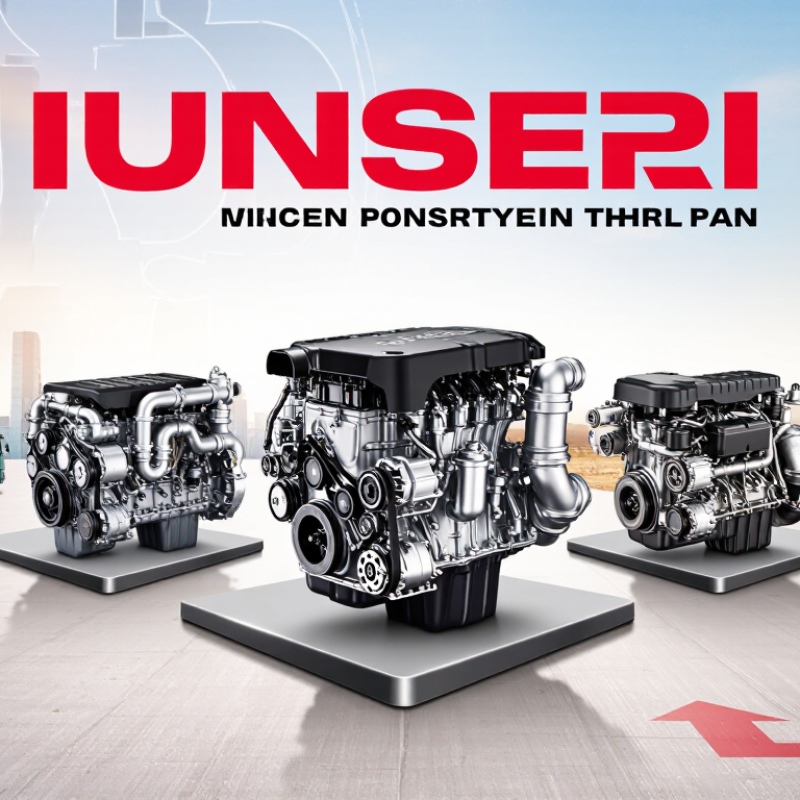
What Makes an Isuzu Diesel Engine a Strong Choice in 2026
A diesel engine earns trust through steady work, not brochure claims. In 2026, a well-maintained Isuzu diesel can suit trucks, buses, and equipment that face long hours and changing loads. Its practical appeal often comes from a durable design, manageable fuel use, and broad familiarity among mechanics. That matters. A driver may notice it in consistent starts on a cold morning or dependable pulling power on a steep road.
The real advantage depends on the exact engine, its condition, and the job it must do. Check service records, oil leaks, exhaust smoke, and cold-start behavior before buying. Ask about local parts availability, too; a reliable engine is less useful when routine components take weeks to arrive. Not magic. Fuel quality, cooling-system care, and timely servicing still shape its working life. Even a tough engine can suffer when maintenance is skipped.
For a fleet, compare expected running hours, load patterns, and repair access rather than purchase price alone. A used unit with clear records may be a better fit than a newer one with an unknown past. There is a trade-off: older designs can be easier to diagnose, yet efficiency and emissions equipment vary by model and market. Verify the specifications for the application, and have a qualified technician inspect the engine before committing.
2026 Best Isuzu Diesel Engine for Sale Worldwide? - What Makes an Isuzu Diesel Engine a Strong Choice in 2026
| Buying Consideration | What to Check | Why It Matters | Practical Guidance for 2026 |
|---|---|---|---|
| Engine application | Vehicle or equipment type, duty cycle, load, terrain, and average operating hours | An engine suited to the actual workload is more likely to deliver dependable performance and a suitable service life. | Match the engine to its intended application; a truck, generator, marine installation, and industrial machine may require different configurations. |
| Power and torque | Rated power, peak torque, engine speed at peak torque, and permitted continuous load | Power supports speed and output, while torque and its delivery range affect pulling performance under load. | Compare the complete rating and operating curve, not just the largest advertised power figure. Confirm that the rating suits continuous or intermittent use. |
| Fuel consumption | Fuel use at the expected load, measured in litres per hour or litres per 100 kilometres | Fuel is a major operating cost, but consumption varies with load, speed, installation, maintenance, and operating conditions. | Request test data for a comparable duty cycle. Treat general consumption figures as estimates rather than guaranteed results. |
| Emissions compliance | Applicable emissions certification, after-treatment equipment, and local registration requirements | Requirements vary by country and can affect whether an engine may be imported, registered, or operated in a particular area. | Verify the precise engine configuration and documents against the destination market’s current rules before purchase. |
| Fuel quality | Permitted fuel specification, sulphur limits, and any requirements for filtration or water separation | Fuel quality can affect combustion, fuel-system wear, emissions equipment, and reliability. | Check the operator manual and confirm that the fuel commonly available at the installation site meets the engine’s requirements. |
| Maintenance requirements | Scheduled service intervals, oil and filter specifications, and inspection procedures | Service frequency and consumable costs contribute to whole-life cost and equipment availability. | Use the maintenance schedule for the exact engine and operating conditions. Severe-duty use may require more frequent servicing. |
| Parts and technical support | Local availability of filters, service parts, qualified technicians, and diagnostic support | Accessible support can reduce downtime, especially in remote or high-utilisation operations. | Before ordering, confirm parts lead times, service coverage, warranty terms, and how technical assistance is provided in the destination country. |
| Installation compatibility | Dimensions, mounting points, rotation direction, cooling system, electrical connections, and exhaust layout | A compatible engine can reduce adaptation work and help avoid installation or operating problems. | Compare the installation drawings and interface specifications with the existing equipment; do not rely on model descriptions alone. |
| Operating environment | Ambient temperature, altitude, dust, humidity, vibration, and cooling-air or seawater conditions | Environmental conditions can affect available output, cooling performance, filtration needs, and component life. | Ask whether any derating, special filtration, cold-start provisions, or corrosion protection is required for the intended location. |
| Total cost of ownership | Purchase price, freight, duties, installation, fuel, scheduled maintenance, and expected downtime | The lowest initial price does not necessarily produce the lowest cost over the equipment’s operating life. | Compare costs over a consistent period and workload, and include shipping, taxes, installation, and locally available support. |
| Documentation and condition | Serial identification, rating plate, service history, test records, and export or compliance documents | Complete documentation helps establish identity, condition, suitability, and eligibility for import or registration. | For a used or rebuilt engine, request condition details and supporting records, and arrange an independent inspection where practical. |
| Important qualification | Specifications and requirements depend on the exact engine model, configuration, market, and application. | A general comparison cannot confirm that a specific engine meets a particular operating or regulatory requirement. | Verify all specifications, availability, warranty coverage, and compliance documents with the seller and relevant local authorities before purchase. |
FAQS
A durable design, manageable fuel use, and familiar servicing can help. Performance still depends on the engine’s condition and workload. Not magic.
Review service records, oil leaks, exhaust smoke, and cold-start behavior. Ask for hot oil pressure and compression readings when available. Records matter.
A new engine has unused core parts and documented specifications, but usually costs more. A reconditioned engine has repaired parts, though the work can vary. A used engine retains its existing wear.
Compare its model code and serial number with your vehicle’s requirements. Request clear photos of the identification plate, cylinder head, and connections. Photos help.
No. A cold-start video and written test results provide useful clues, but they cannot confirm everything. A qualified mechanic can check for mismatched parts or past repairs.
Record the engine’s condition, included accessories, price, warranty, and return terms. Clarify whether testing, crating, and inland transport are included. I would still hesitate if details were vague.
Confirm packed dimensions, weight, collection address, and estimated transit time. Ask how the engine will be drained, secured, and protected from moisture. Keep the paperwork together.
Photograph the crate before opening it. Check for visible damage, then compare the engine and serial number with your records. Some uncertainty remains.
Conclusion
Choosing the best Isuzu Diesel Engine in 2026 begins with understanding the qualities that matter for your work: dependable performance, fuel efficiency, serviceability, and suitability for the operating environment. Different engine families are designed for different roles, from road vehicles to industrial machinery, so compare power requirements, mounting dimensions, transmission compatibility, and intended duty cycle before making a decision.
Consider whether a new, reconditioned, or used engine best fits your budget and reliability needs, and check the condition, specifications, service history, and included components. Before purchasing, verify the engine identification and documentation, confirm compatibility with your vehicle or equipment, and clarify warranty, payment, and shipping arrangements. For an international shipment, work with a reputable seller and freight provider, confirm import requirements for the destination, and obtain written details on packaging, delivery timelines, and return terms. These steps help you choose an engine that matches your needs and supports a smoother purchase worldwide.
